
Distribution in China: Obstacles and Success Factors In the dynamic Chinese market, distributors are often ‘gatekeepers’ to drive growth. EAC experience shows that many foreign companies are faced with complex distribution challenges in China, ranging from reliance on legacy distributors, lack of transparency to e-commerce exposure. Choosing the right distribution approach and managing distribution partners most efficiently is crucial to succeed in China.Distributors are often ‘Gatekeepers’ for Growth in China Foreign companies face a range of challenges when managing their distribution setup in the vast Chinese market: Reliance on Legacy Distributors Unstructured selection of only one general distributor Lack of …
China’s “Double Reduction” in Education: Impacts and Opportunities

China’s “Double Reduction” in Education: Impacts and Opportunities What does China’s Double Reduction mean? The General Office of CPC Central Committee and General Office of the State Council jointly released the “Opinions on Further Reducing the Burden of Homework and Off-Campus Training for Compulsory Education Students” on July 24, 2021, taking immediate effect. This “Double Reduction” policy is intended to improve the overall quality of school education, reduce excessive study burdens and protect the health of students, relieve the burdens and anxiety of parents, reduce social inequity, further regulate and standardize off-campus training (including both on-line and off-line training), and …
China’s Offline Retail Challenge

China’s Offline Retail Challenge In the past decades, the Chinese retail market has experienced a significant transformation from traditional to modern, and is now again being disrupted by e-commerce. Since 1992, China’s retail market developed with the country’s rising economy and changing consumption habits. New and modern shop formats have been introduced during this period, such as department stores, hyper/supermarkets, convenience stores, exclusive stores, and other forms of business, which are shaping China’s modern retail landscape until now.What threats are China’s offline retail facing? After 2003, with the establishment of Alibaba’s Taobao platform, China consumers’ consumption habits have been changed …
Trends in China’s Textile & Apparel Industry

Trends in China’s Textile and Apparel Industry While China’s textile market is experiencing a continually decline in revenues, the apparel market shows a much more dynamic development in terms of concentration, brands and customer preferences.China Textile Industry Revenues of China’s textile industry has been declining from 386 billion CNY in 2017 to 227 billion CNY in 2020, resulting in a CAGR of -16%. Drivers: With the increase of resident income, consumption upgrade, and implementation of China’s second-child policy, the demand for high-quality textile materials will remain increase. Technologies applied in design, manufacture, marketing, and logistics in the textile industry will …
Smart Manufacturing Push in China
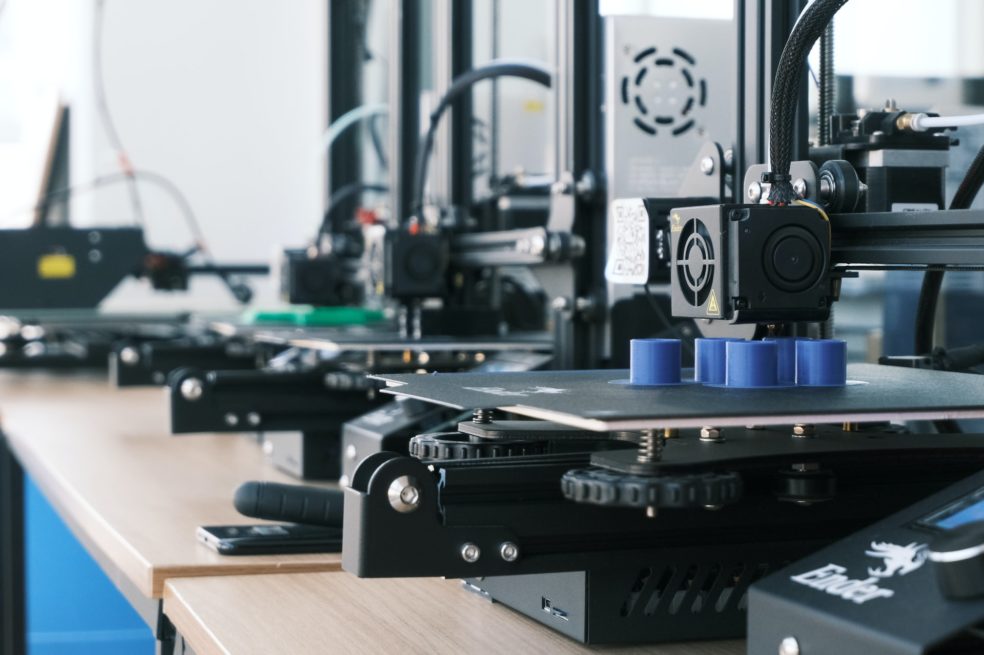
Smart Manufacturing Push in China The age of cheap labor in China is almost over. Thus, Chinese companies have recently been introducing smart and automated manufacturing systems, that help to save cost, shorten lead times and increase flexibility. In this article EAC presents three cutting-edge examples: Xiaomi, Alibaba and JOMOO.Xiaomi Smart Factory Founded in 2010, Xiaomi has become one of the world’s largest smartphone manufacturers and most well-known “smart home” brands within only ten years. The company’s new Smart Mobile Phone Factory is powered by 5G and Artificial Intelligence and has a size of 18,600 square meters, featuring… Equipped with …
China Case Study: Dyson
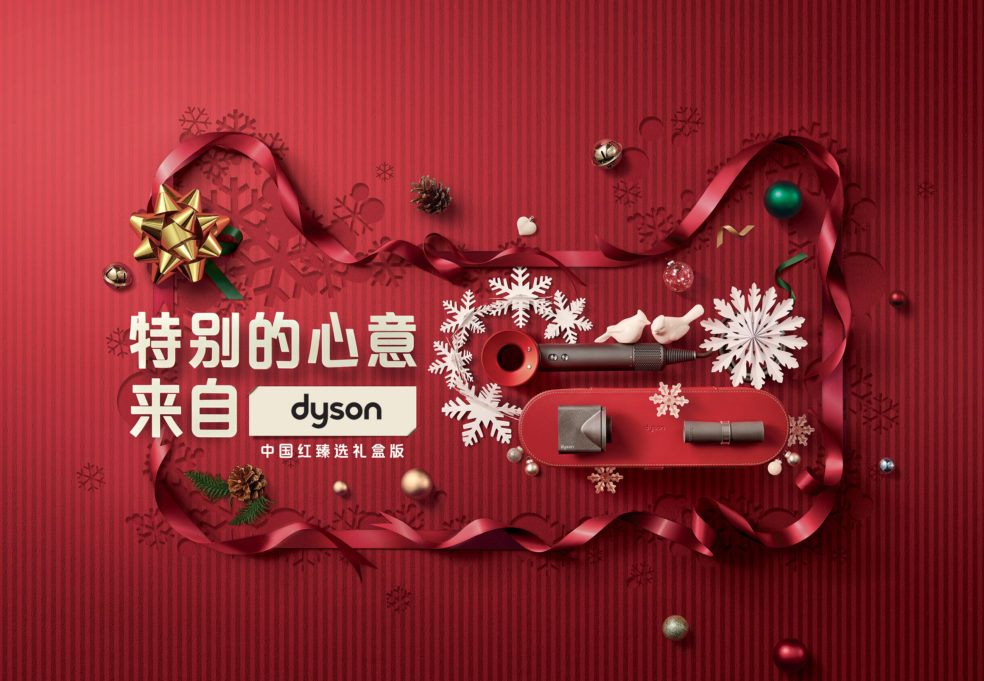
China Case Study: Dyson Dyson is a success story in terms of how foreign consumer goods brands can build and maintain a special image in China – by leveraging product design and marketing in a localized way.Dyson in China – Key Facts After Dyson entered the Chinese market entry in 2012, the country became the firm’s fastest growing market in 2014 and has been ever since. But this development was not pure luck or coincidence, since Dyson strategically invested in its operations in China: Established network of ~15 Dyson self-operated stores and 135 3rd-party-operated POS in 90 cities (focus on …
Localization Pressure in China’s Healthcare Industry
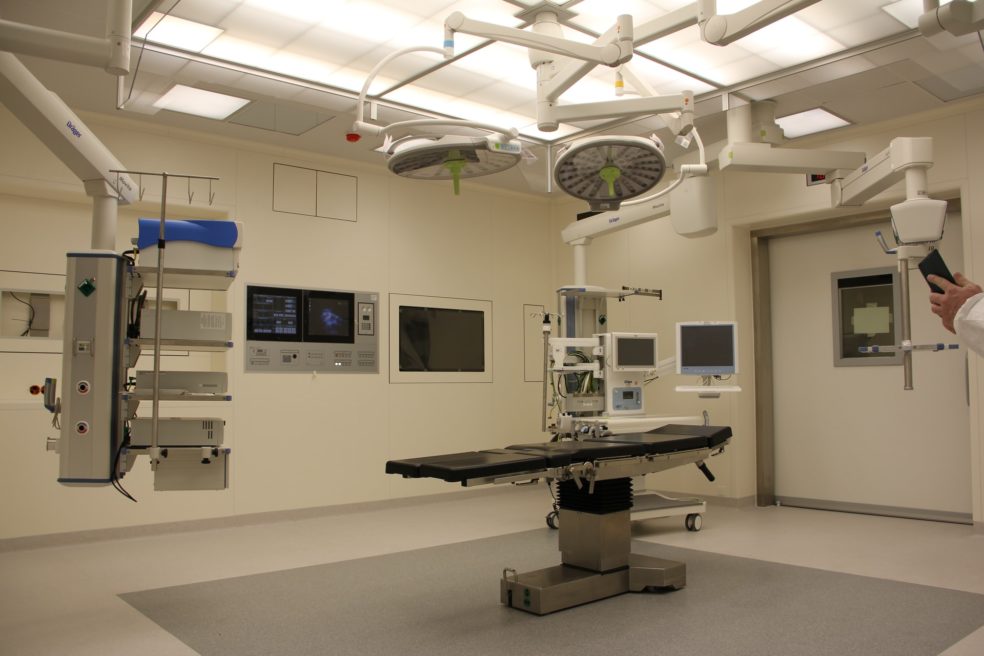
Localization Pressure in China’s Healthcare Industry China’s rising demand for healthcare products and especially medical devices has been a major growth driver for both international and domestic companies in recent years. But barriers to participate in the booming MedTec market as a foreign company are becoming higher, since the Chinese government is increasingly pushing for localization.How is China’s healthcare industry developing? China’s rising demand for healthcare products and especially medical devices has been a major growth driver for both international and domestic companies in recent years – supported by a general rise in accessibility and affordability of health services. Further …
The Rise of China’s Drone Industry
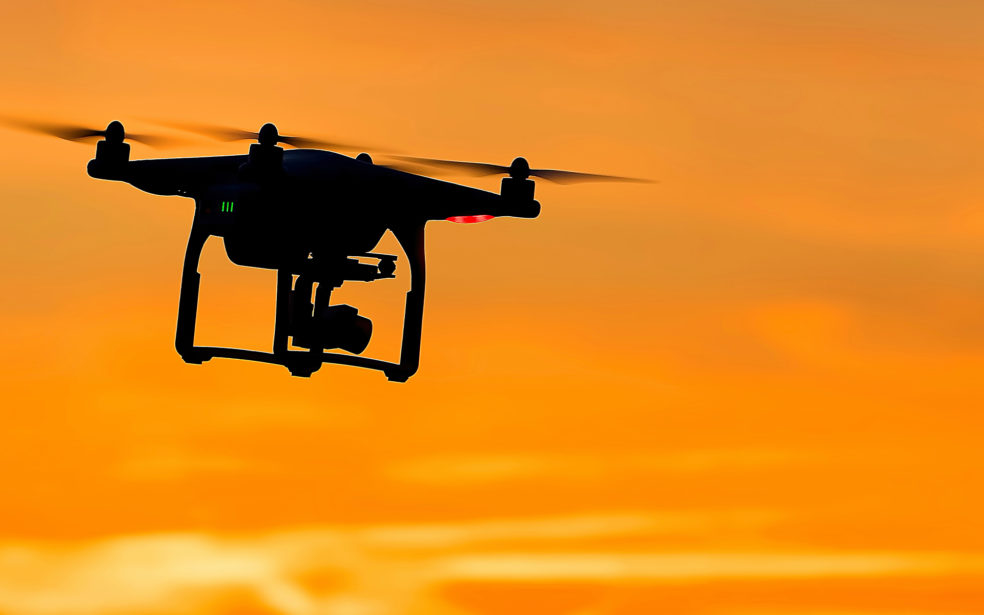
The Rise of China’s Drone Industry How big is China’s drone industry? With an expected CAGR of 40.67% between 2017 to 2024, China’s drone industry is thriving. The country is the second largest drone market in the world and is expected to close the gap with the leading market USA in 2024. As the predicted total market value of the Chinese drone industry is over 180 billion yuan in 2025, the sector has turned into a profitable business. According to Drone Industry Insights, the Shenzhen-based company DJI is the top manufacturer of commercial drones, leading far ahead with an estimated …
China’s Demographic Challenge

China’s Demographic Challenge Why is China facing demographics problems? From 1960 to 2015, China’s population more than doubled to around 1.4 billion people. The government tried to control this explosive growth with the One-Child Policy introduced in 1979, leading to a decline of the average fertility rate per woman from over 6 in the 1960s to 1.7 in 2020. Even the recent policy shift towards a universal two-child policy could not significantly reverse this trend. After reaching its peak in 2016, the number of new-born babies in China is expected to continue declining until 2030. Nowadays, Chinese have fewer children …
Regional Comprehensive Economic Partnership (RCEP)

Regional Comprehensive Economic Partnership (RCEP) What is the Regional Comprehensive Economic Partnership? Signed in November 2020, the RCEP is a Free-Trade Agreement between 15 countries including the ASEAN nations, China, South Korea, Japan, Australia and New Zealand. As of 2020, the member countries account for ~30% of the world’s population and ~30% of global GDP. In March 2021, China became the first signatory to ratify RCEP, around three months ahead of schedule. The agreement can be viewed as the regional answer to the failed Transatlantic Partnership and a complementation of the existing CPTPP. Its purpose is to eliminate tariff and …
China’s 14th Five-Year Plan

China’s 14th Five-Year Plan What is the background? China has been using five-year time periods to steer its economy since 1953. In the meantime, the focus of these Five-Year Plans (FYP) has shifted from socialist top-down economic planning to acting more as a “guideline” – setting targets and aligning incentives. A draft version of the 14th plan (2021-25) was released in late 2020 and the final version was passed in March 2021 at the Two Sessions – one of China’s major political meetings. More detailed implementation plans for major sectors, ministries, and regions will follow in the months ahead. In …
B2B E-Commerce Business in China

B2B E-Commerce Business in China Großen und mittleren Unternehmen wird empfohlen, den B2B-E-Commerce als einen zusätzlichen Vertriebskanal in China zu betrachten, um langfristig einen nachhaltigen Wert für ihre Marken zu schaffen.Mit enormen jährlichen Investitionen in ein verbessertes und ganzheitlicheres digitales Ökosystem, das Milliarden an Euro Umsatz erreicht, werden B2B-Plattformen unweigerlich eine entscheidende Rolle bei der Entwicklung einer industriellen Marke entlang der Wertschöpfungskette spielen. Großen und mittleren Unternehmen wird empfohlen, das Thema B2B-E-Commerce als einen zusätzlichen Vertriebskanal zu betrachten, um langfristigen Erfolg für ihr Unternehmen zu schaffen. Allein von 2017 bis 2018 wuchs der B2B-E-Commerce-Sektor im Jahresvergleich um mehr als 70%. …